
WESTCHESTER COUNTY
PUTNAM & DUTCHESS COUNTY
Licensed and Insured
Westchester Wildlife LLC is not a licensed wildlife rehabber and cannot help with wildlife rescue.
It’s never a good idea to share your attic with a wild animal, but it’s especially a bad idea in the spring season. This is the time of year when many different species of wildlife are entering or in the middle of their mating seasons. You could go from having one critter in your home to multiple in almost no time at all.
If you suspect you have wildlife in your attic, contact the experts at Westchester Wildlife at (800) 273-6673 or fill out the contact form to get started with an inspection in Westchester, Putnam, and Dutchess Counties.
Spring is the peak season for baby wildlife. Many animals in Westchester Country and surrounding areas are already in or about to enter their mating season.
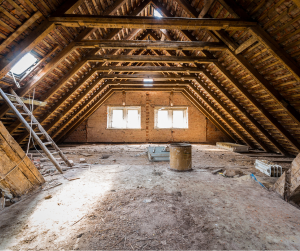
Animals looking for safe places to raise their babies are often attracted to attics because they provide a warm, quiet place that protects them from predators.
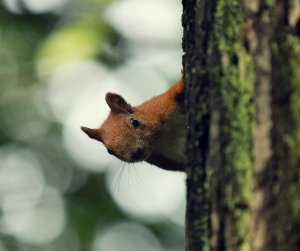
As the weather warms, food becomes easier for wildlife to find. Plants start growing, insects become more active, and people begin planting gardens and putting out bird feeders. At the same time, many animals are preparing to raise young, so they spend more time foraging to feed themselves and their upcoming babies.
There are several telltale signs that you have an animal in your attic, and they shouldn’t be ignored.
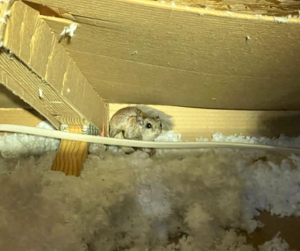
As the weather warms, food becomes easier for wildlife to find. Plants start growing, insects become more active, and people begin planting gardens and putting out bird feeders. At the same time, many animals are preparing to raise young, so they spend more time foraging to feed themselves and their upcoming babies.
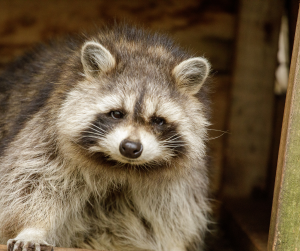
Nocturnal animals like raccoons, opossums, flying squirrels, skunks, and foxes are much more active at night than during the day. If you hear increased activity coming from your attic as you get ready for bed, you may have a wildlife problem.
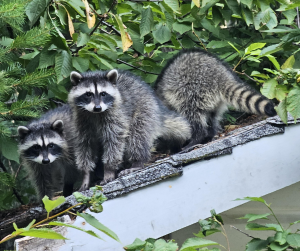
Attic vents, damaged soffits, or rooflines can often be points of entry for animals to get inside. They can bend screens, pull apart materials, or enlarge existing gaps in order to squeeze inside. If you notice repeated activity in the same spot on your roof, it’s probably because an animal has moved into your attic.
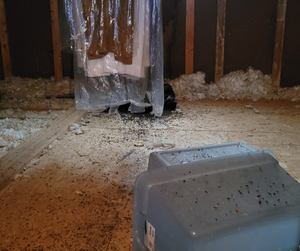
Wild animals are messy. When they move into an attic, they often leave behind strong odors. The longer they’re in there, the stronger the smell can get, especially if they’re raising young. A particularly strong or sudden odor, however, can be a sign that an animal has died in the attic or walls.
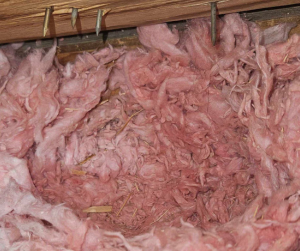
When an animal gets into your attic during mating season, they will likely use whatever is up there to build their nest. They’ll break apart and move insulation and contaminate the space with their droppings. This can lead to more serious problems for you, such as poor air quality or costly repairs.
If you have an animal in your attic, the situation needs to be addressed immediately. The longer they stay, the more damage they can cause. Contaminated insulation, stained ceilings, odors that spread throughout the home, and structural damage are just a few of the problems they can cause. Even if they leave on their own, they may return year after year if it was successful for them the first time.
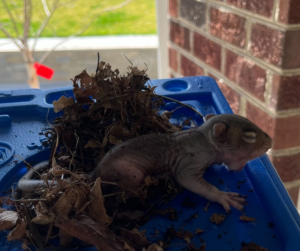
Since many animals give birth during the spring, the issues they cause may grow exponentially. A single animal in the attic is already a problem. If babies are present, the situation can become much more complicated. Removing wildlife during this time of year requires extra care. Separating a mother from her young can lead to bigger problems if the babies are left behind in the attic. Professional wildlife removal focuses on safely resolving the issue while accounting for the presence of young animals.
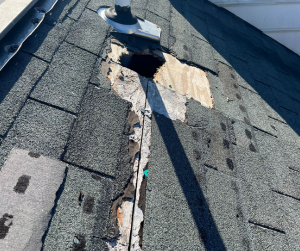
Wildlife can cause more damage in an attic than many homeowners expect, and it can happen quickly. Their waste and nesting materials contaminate the insulation along with the rest of the space. They may create new entry points or widen existing ones. Rodents and squirrels constantly have to chew to keep their teeth worn down, which can lead to structural and electrical damage if they start gnawing on wiring. Addressing the issue as soon as you notice the signs is the best way to minimize damage.
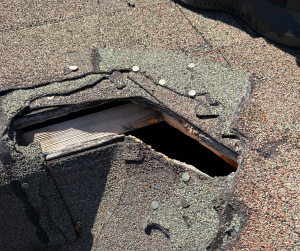
Wildlife are creatures of habit. Once they find a reliable entry point, they often return to it. Common entry points like small gaps in the roofline, loose vents, damaged soffits, and roof edges should be sealed and repaired to prevent wildlife from moving in or returning.
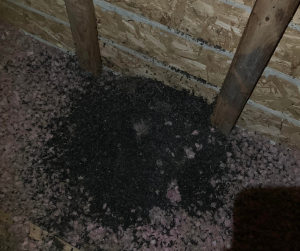
Animals living in your attic not only can cause damage to your home, but they can create an unhealthy living environment for you. Their droppings, urine, and nesting materials pose a sanitation hazard that can worsen over time if left alone. Their waste can soak into insulation and wood, reducing indoor air quality and producing odors that spread throughout the home.
If you believe an animal has entered your attic, taking the wrong steps can make the situation worse. Closing the entry point on your own may seem like the quick solution. You might just be trapping the animal inside the attic, though, which will force it to chew its way back out or worse, die in your attic or walls.
It’s important to remember that during wildlife mating season, you want to exercise caution before taking any steps. Removing a mother animal from her young will put the babies at risk and will make the problem worse for you and your home.
Animals in your attic require immediate attention from a professional. Westchester Wildlife Removal helps residents in Westchester, Putnam, and Dutchess Counties humanely remove animals from their home and installs exclusions to keep them out. Reach out to us today at (800) 273-6673 or fill out the contact form to schedule an inspection.
Toll Free: 800.273.6673
Phone: (914) 760-5713
PO Box 579 Brewster,
NY 10509 USA
* Westchester Wildlife, LLC is not affiliated with the County. All services are fee based.
Copyright © 2026 Westchester Wildlife LLC. All Rights Reserved.