FREE PHONE CONSULTATION

Licensed and Insured

WESTCHESTER COUNTY

PUTNAM & DUTCHESS COUNTY

Licensed and Insured

Westchester Wildlife LLC is not a licensed wildlife rehabber and cannot help with wildlife rescue. 

When Can Bats Be Removed From an Attic in New York?

How to tell if bats are in your attic- Westchester Wildlife Removal

If you think you’ve got bats in the attic, the first thing to know is that you shouldn’t seal the entry point right away. During the summer, bats may be using the attic as a maternity roost, which means there could be young bats inside that can’t fly yet.

If the adults are blocked out too soon, the pups can get trapped inside. That can lead to dead bats, odors, and bats finding their way into other parts of the house while trying to get out.

If you’re hearing scratching or chirping in the attic or have seen bats around your roofline, call Westchester Wildlife Removal to schedule an inspection.
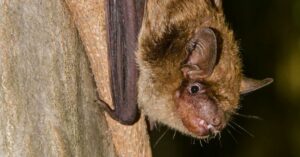
Why Bat Removal Timing Matters

Bat removal timing matters because bats raise their young in maternity roosts during the summer. If an exclusion is done too early, adult bats may be able to leave while pups that can’t fly yet are left behind in the attic.

Timing also matters because bats are protected by state and federal wildlife regulations, and some species found in New York have additional protections due to declining populations. These rules are meant to prevent bats from being harmed during sensitive times of year.

For homeowners, that means you shouldn’t seal an active bat entry point or try to remove the colony yourself. The safest approach is to have the attic inspected and wait until the bats can be excluded without trapping or harming them.

When Does Bat Maternity Season End in New York?

Bat maternity season typically runs from about May 15 through August 15. During this time, female bats gather in warm roosts, including attics, to give birth and raise their pups. The young bats can’t fly at first, so they depend on their mothers until later in the summer.

By mid-to-late August, most young bats are able to fly and leave the roost with the adults. That’s when exclusion work can usually begin. Before sealing anything, though, it’s still important to confirm that the bats are able to leave on their own and that no pups will be trapped inside.

How Should Bats Be Removed From an Attic?

Bats should be removed through exclusion, not by trapping or killing them. A wildlife professional will inspect the attic and exterior of the home to find where the bats are getting in and identify any other gaps they could use.

Once it’s safe to begin removal, the secondary openings are sealed and a one-way exclusion device is installed over the main entry point. This lets the bats leave to feed at night but keeps them from getting back inside. After the colony has left, the device is removed and the final opening is sealed.

It’s important not to just plug the hole while bats are still inside. That can trap them in the attic or force them into other parts of the house while they look for another way out.

Can You Just Seal the Hole?

Not if bats are still using it. Sealing an active entry point can trap bats inside the attic or cause them to find another way into the house.

Bats can also fit through very small gaps, so closing one visible hole may not solve the problem if there are other openings nearby. The better approach is to identify all possible entry points, use a one-way exclusion device at the active opening, and seal the remaining gaps once the bats are out.

What Should You Do If You Have Bats in Your Attic Right Now?

If you’ve got bats in the attic, don’t seal the entry point or try to remove them yourself. The first step is to have the attic and exterior of the home inspected so you know where the bats are getting in and whether they can be safely excluded yet.

If it’s still maternity season, you may need to wait until the young bats can fly before exclusion begins. In the meantime, avoid disturbing the roost and keep an eye out for bats getting into the living space.

If a bat does get inside the house and there’s any chance it came into contact with a person or pet, don’t release it right away. Contact your local health department first in case rabies testing is needed.

Professional Bat Removal in Westchester County, NY

If you’ve got bats in the attic, Westchester Wildlife Removal can inspect your home, find the active entry points, and determine the safest time to begin exclusion.

Once the bats can be removed safely, we’ll install one-way exclusion devices, seal secondary openings, and help prevent the colony from getting back inside. We can also inspect for guano, contaminated insulation, and other damage left behind in the attic.

If you’re hearing scratching or chirping in the attic or have seen bats around your roofline, call Westchester Wildlife Removal to schedule an inspection.

More Blogs From Westchester Wildlife Removal

How to Tell If Bats Are Living in Your Attic

This guide explains the most common signs of bats in an attic, where they typically get in, why you shouldn’t remove them yourself, and when it’s time to call a professional. If you suspect bats in your attic, Westchester Wildlife Removal provides humane bat removal and exclusion services.

Read More »