
 What Does It Mean When You Hear Noises in the Walls at Night?
What Does It Mean When You Hear Noises in the Walls at Night?
Nothing’s more unsettling than hearing something moving around inside your home’s walls or attic space at night. You might hear scratching or scurrying, or maybe loud stomping and shuffling. Don’t worry, it’s probably not a ghost! Just a nuisance critter that may be ripping up your insulation! Thankfully, you can quickly identify what type of animal is in your attic by listening carefully for the noise, and then get rid of it by contacting Westchester Wildlife for safe, humane trapping and removal services in the Westchester area.
Scratching, Scurrying, or Pattering Sounds
If you are hearing scratching sounds, scurrying sounds, or faint pattering sounds coming from inside your walls or crawl space, you most likely have mice, rats, or squirrels. Squirrels are diurnal, so you are more likely to hear them during the day, while rats and mice are more active after dusk or before dawn. These sounds usually indicate that a squirrel is settling down and building a nest, often ripping out your insulation in the process. It could also indicate that rats or mice have gotten inside your house. It’s important to call a wildlife company like Westchester Wildlife as soon as you notice these noises, as rat and mice populations can explode into massive infestations seemingly overnight. Even worse, rats, mice and squirrels can chew on the rubber covering surrounding wires, which can create a potential fire hazard.
Thumping or Slow Movement
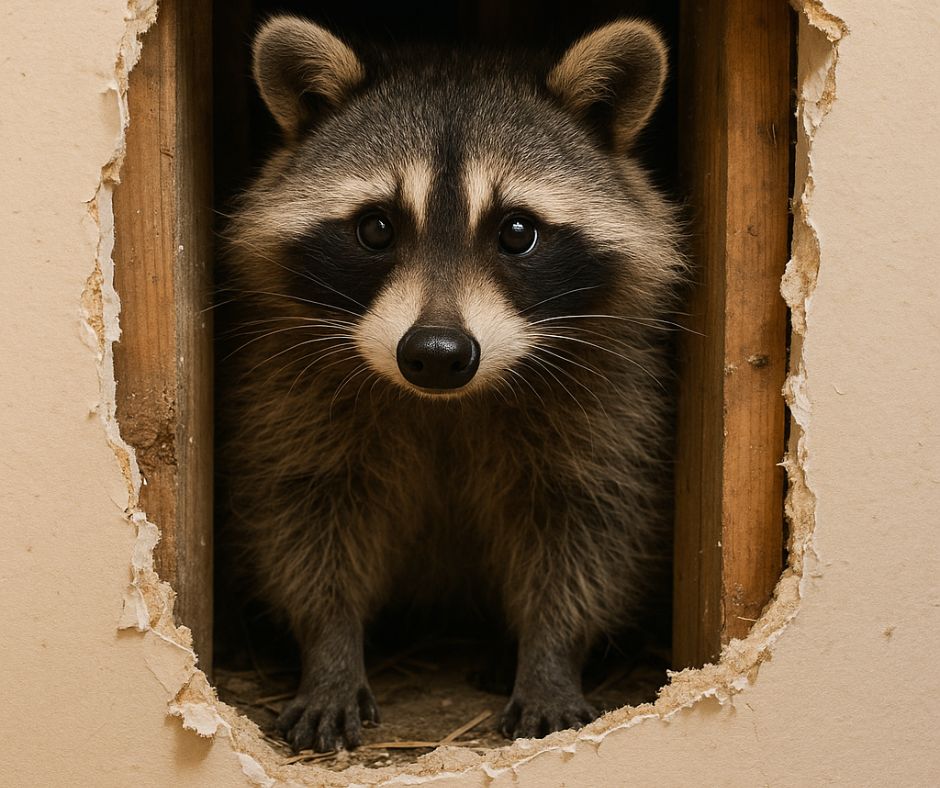
If you are hearing thumping, slow moving, or shuffling, especially at night, you might have a raccoon moving around your attic space. Mother raccoons often break into attic spaces to have babies, as your attic is safe, warm, and secluded. However, raccoons will rip up your insulation to make their nests, often digging latrines in the insulation to deposit their waste in. Raccoons can also tear through HVAC ducts and spread raccoon roundworm. Always leave raccoon removal to the professionals, as these fierce animals can lash out with their sharp claws and teeth when cornered, and may transmit the rabies virus.
High-Pitched Chirping or Squeaking
If you’re being annoyed all night by incessant high-pitched chirping or squeaking noises coming from behind walls, inside attic vents, or near chimneys, you might be hearing bats or baby squirrels. Bats are known to squeak, and unfortunately, bats don’t come alone, as they often nest in large groups, roosting and depositing their guano into your insulation. Squirrels will use your attic as a place to give birth and nurse their young, so high pitched squeaking can also be an indicator of a squirrel nest. No matter if its bats or squirrels, these sounds are an indicator that its time to call a professional.
Gnawing or Chewing
If you are hearing gnawing or chewing sounds coming from inside your walls or attic space, you most likely have rodents like rats, mice, or squirrels. These critters will gnaw at the tiniest gaps and openings to get inside your home, so you might hear them chewing around gaps in your roofline or foundation to get inside the home. Rodents have teeth that never stop growing, and in order to keep the length of their teeth manageable, they will gnaw on baseboards, drywall, cabinet doors, and any other hard surface they can find in your home.
Fluttering or Light Scratching
If you hear fluttering or light scratching sounds coming from inside your walls or vents, you might have birds or bats trapped inside your walls. You don’t want these critters dying in your walls, as they will quickly begin decomposing, creating an awful smell in your home.
What NOT To Do
If you hear animals coming from your walls or attic space, it’s important to NOT seal up the entry points before removing them, as you might trap the critter within the home. Removing wildlife yourself isn’t advisable, as wild animals are unpredictable and can bite or scratch when confronted. Avoid using poisons, as they can just lead to dead animals stuck in your walls or attic, and poisoning some animals like bats is highly illegal. And definitely DON’T just assume that the animal will go away on its own!
What You SHOULD Do
What you SHOULD do when hearing strange sounds in your walls or attic at night is contact a professional wildlife removal service like Westchester Wildlife. Additionally, listening closely to the animal sounds to identify patterns like the time of day, type of sound, and the frequency can help you identify the animal sooner.
How Westchester Wildlife Can Help
If you have nuisance animals inside your crawl space, contact the experts at Westchester Wildlife. Our team of experts will conduct a thorough inspection of your property to locate the animals and where they are getting in. Next, we will safely trap and remove all the nuisance critters from your property. Finally, we will repair any damage done by the animals and seal off their entry points, fully excluding them from your home. Contact our team today to get started at (800) 273-6673!
 Top 5 Backyard Features That Attract Wildlife
Top 5 Backyard Features That Attract Wildlife
Are you dealing with nuisance critters like raccoons, squirrels, birds, and more causing issues on your property in Westchester? Your backyard may be attracting them without you even realizing it. It’s important to locate the sources of food, water and shelter that are attracting critters to your backyard so you can take the proper preventative steps to protect your home. In addition, Westchester Wildlife also offers wildlife trapping and removal services to remove animals that have already set up shop on your property.
1. Bird Feeders
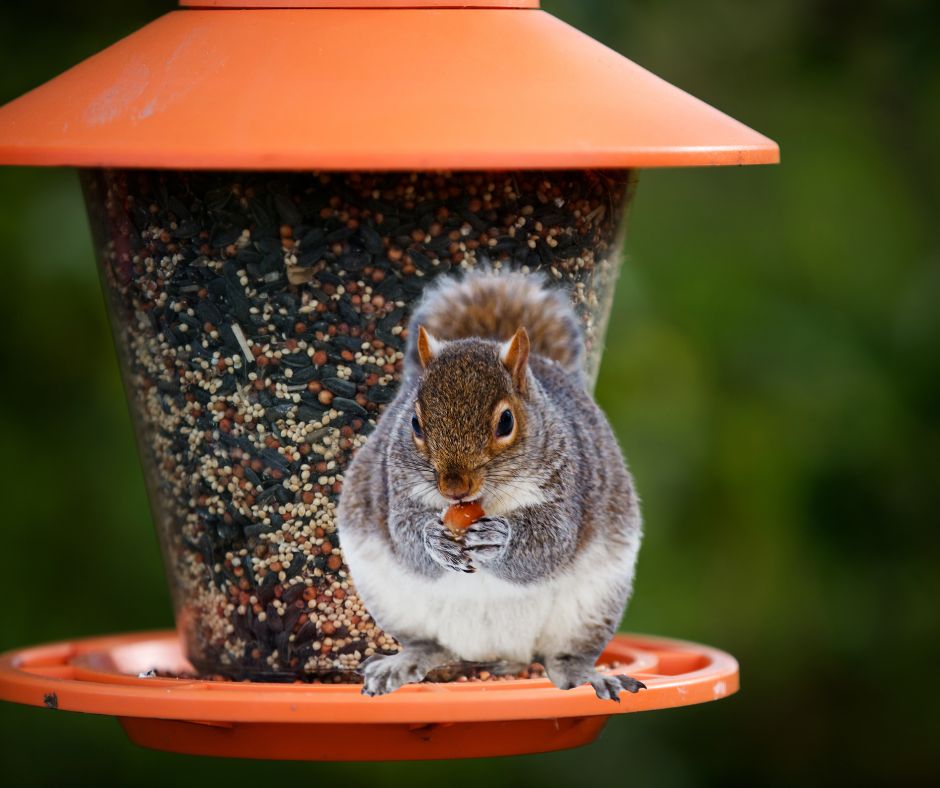
Bird feeders are an obvious one, as these containers full of nuts and seeds provide an easy meal for both birds and squirrels. While bird feeders don’t guarantee that a squirrel will break into your attic or a bird will nest inside your dryer vent, a steady food source certainly makes your home more appealing as a long-term home.
2. Compost Piles and Open Trash Bins
Discarded food attracts all kinds of wildlife, especially raccoons, so it’s important to secure your food trash to prevent wildlife problems. Compost piles are a great way to return organic waste to the earth and fertilize your plants, but they also provide a veritable buffet for a hungry raccoon. Instead, secure your compost in a raccoon-proof compost bin.
If your outdoor trash cans are left open or unsealed, you might wake up to trash strewn all over your lawn by a raiding raccoon. Keeping your trash cans sealed with a tightly-fitting lid, especially overnight, can help prevent raccoons from getting into your trash and viewing your property as a source of food.
3. Pet Food Left Outdoors
If you leave bowls of dog food out on your back deck for your furry friend, or if you leave out cat food for the neighborhood stray, you might be unknowingly providing a meal for a raccoon, skunk, rat, or other passing critter. Make sure you bring all pet food inside before nighttime to prevent nocturnal critters from setting their sights on your property.
4. Overgrown Vegetation and Brush Piles
If your backyard is covered in dense, overgrown vegetation and tall grass, it provides plenty of places for groundhogs, snakes, rats, shrews, and more to shelter and nest. Animals feel safer with some level of cover, so trimming bushes, clearing brush piles, and keeping your grass cut short (especially near your home’s foundation) can make your backyard feel less safe for passing animals.
5. Sheds, Crawl Spaces, and Woodpiles
Sheds, unsealed crawl spaces, and wood piles in your backyard provide a dry, hidden nesting or denning site for skunks, opossums, chipmunks, rats, and snakes. Having Westchester Wildlife install wildlife barriers underneath your sheds and around your home’s foundation can keep these critters out.
Honorable Mention: Backyard Water Sources
Sources of water in your backyard can also attract passing wildlife like raccoons, deer, squirrels, and more. Birdbaths and ponds are common sources of water near homes, but even clogged gutters with rain collected in them can provide water to a thirsty squirrel. Ensuring you carefully maintain water fixtures on your home and regularly drain standing water can help keep these critters out.
When It's Time To Call A Professional
It’s time to call a professional about a wildlife problem as soon as you notice the signs: persistent scratching, scampering, stomping, or flapping noises, visible droppings, tracks, chewed wires, and less effective insulation (due to wildlife nesting). If you need wildlife trapped, removed, or excluded from your property in Westchester, Putnam, Dutchess, or Fairfield, call the experts at Westchester Wildlife today for a FREE estimate at 800-273-6673!
 Top 5 Entry Points Wildlife Use to Invade Homes
Top 5 Entry Points Wildlife Use to Invade Homes
Your home provides a perfect sanctuary for wildlife, as it is warm and safe, protected from predators and harsh weather. These conditions also make your home perfect for animals to have their babies in. Some of the most common nuisance critters you might have nesting inside your home in Westchester County include raccoons, squirrels, bats, birds, groundhogs, skunks, snakes, and more! Give us a call to get scheduled at (800) 273-6673!
Number One: Roof Vents and Soffits
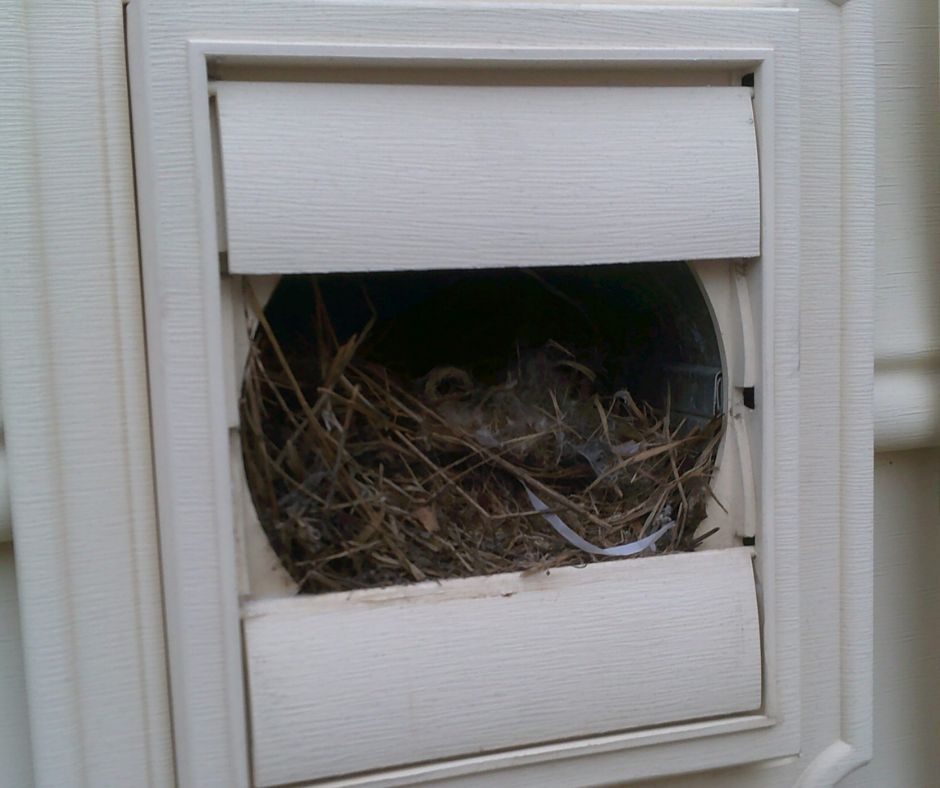
Roof vents or soffits provide easy access for squirrels and raccoons to get inside your attic space. Ridge vents and gable vents can also let in bats, who can fit their bodies through very small gaps. Raccoons and squirrels can enter through these vents as well, but they will typically gnaw and scratch at the vents until they have openings wide enough to fit through. Raccoons and squirrels will similarly gnaw and scratch at gaps and cracks in your soffit until they can fit themselves into your attic space.
Number Two: Chimneys
Some of the common chimney invaders include raccoons, birds, and squirrels. These animals can create dangerous conditions by clogging up your chimney with their flammable nesting material. Chimneys can also be used to directly access the living space in some cases. Having a chimney cap installed can keep critters out of your chimney while allowing the chimney to function as normal.
Number Three: Gaps Under Roof Eaves or Fascia Boards
Gaps underneath roof eaves or fascia boards can be exploited by squirrels, bats and birds to get inside your attic. Squirrels will often chew at these gaps to widen them, which can leave it open to be widened further by raccoons. Using metal flashing and sealing these gaps with wildlife-grade materials can keep them out in the future.
Number Four: Crawl Space Vents and Foundation Gaps
If your crawl space vents are unsealed, they can let in skunks who will use your crawl space as a denning site. Skunks tend to dig out their dens which can damage your foundation, and they will spray around their denning site. The awful smell of the skunk spray can then drift upwards into the home. If you have gaps in your foundation, this can let in rats who will breed very quickly, and then snakes aren’t far behind, as they will go where the food is.
Number Five: Gaps Around Pipes, Cables, and Utility Lines
The penetrations where pipes, cables, and utility lines pass into the house can have small gaps around them, which is where smaller wildlife like mice and rats can enter the home. Snakes can also fit through these tiny gaps, entering your home in search of rodents to eat.
Honorable Mention: Garage Doors
If your garage door isn’t fully touching the ground, critters like raccoons can squeeze their bodies underneath the door to enter your garage, especially if your garage contains trash cans they can raid for food.
Why Professional Exclusion Matters
If you have wildlife causing problems on your property in Westchester, it’s important to not just seal off the entry points and call it a day, as you might trap nuisance wildlife inside your home. Instead, contact the experts at Westchester Wildlife for wildlife trapping, removal, and exclusion. Our technicians start off by thoroughly inspecting your home for wildlife, making sure to note the current and potential entry points. Next, we safely and humanely trap and remove all critters from your property, always ensuring the babies are removed with their mother. Finally, we perform exclusion work on all the entry points, ensuring that the animals can’t get back inside your home. Give our team a call to get started today with a FREE estimate at (800) 273-6673!
 Bats in the Attic? Why DIY Bat Removal Can Backfire
Bats in the Attic? Why DIY Bat Removal Can Backfire
It happens more often than you think: you might notice squeaking or flapping sounds coming from your attic space, or you might spot large piles of bat droppings inside your attic insulation. These are the common indicators of bats nesting inside your attic space. Many might have the impulse to try and deal with a bat problem themselves, but this isn’t recommended. Not only can DIY bat removal be ineffective and dangerous, it might also be illegal. Don’t worry, Westchester Wildlife can help. Our team of experts offer safe, humane bat removal services in the Westchester, NY area, in accordance with federal and state guidelines. Get in touch with our team today to get started at (800) 273-6673!
Understanding Bat Behavior in the Home
Attic spaces are particularly attractive to bats because they provide the perfect environment for roosting. Similar to the caves that bats naturally root in, attic spaces are warm, safe, and protected from predators and harsh elements. Some of the common species of bats that may nest inside your attic include the Little Brown Bat and the Big Brown Bat. You may notice a bat problem in your home when you hear flapping, scratching, or squeaking sounds at dusk. Stains around entry points caused by the bat’s greasy fur brushing against the siding can also be spotted. If you enter the attic space and see droppings inside your insulation, then you most likely have a bat problem.
The Role of Maternal Colonies (Why Summer Removal Is Off Limits)
A maternal colony is a group of female bats that roost together to raise pups. Maternal colonies usually get together to raise their pups from the late spring to late summer months of May to August. After the pups are born, it takes them several weeks to learn how to fly, and during this time they are totally reliant on their mothers. Removing bats during this time is prohibited by law, as attempting to remove the colony can kill the babies by trapping them inside the attic space. The mother bats may also re-enter your attic through new entrances to retrieve their pups.
Why Bats Are Federally Protected (And What That Means for You)
Bats are under federal and state protection, and attempting to remove them during maternity season can incur heavy fines. But why are bats protected? Well, there are a few reasons:
To start, bats are crucial to the ecosystem. Not only are they a natural pest control agent (bats can eat thousands of mosquitoes and crop pests nightly), but bats are also prominent pollinators for fruits and seeds that are an important part of our food chain.
Bats are also facing several challenges leading to population decline. A fungal disease called white-nose syndrome has been decimating bat populations, in part to how quickly it can spread among colonies. Natural habitats for bats have also been lost over the years as urban development and deforestation continues. Therefore, federal and state protections and guidelines were implemented to ensure that bats are always handled with care, to ensure the ongoing health and safety of these crucial critters.
The Right Way To Handle A Bat Problem
- Step 1: Professional inspection: contact the experts at Westchester Wildlife for a comprehensive inspection to confirm species, colony size, and access points.
- Step 2: Timing exclusion properly: our experts won’t begin exclusion until after the bat pups can fly, usually around August through October.
- Step 3: Use of one-way exclusion devices, which allow bats to leave the attic, but not get back inside.
- Step 4: sealing all entry points after exclusion is confirmed successful
- Step 5: guano cleanup to prevent the risk of histoplasmosis transmission
Why DIY Bat Removal Often Fails
DIY bat removal can often fail, as DIYers may unknowingly seal bats inside the home, or even worse, separate mothers and pups. If a DIYer is inexperienced in checking for entry points, they may misidentify the entry points, which would allow the bats to return or relocate to somewhere else within the structure. Store-bought repellents and strobe lights often don’t work, and might put further stress on the colony. Attempting to remove the bats by hand is NEVER recommended, as bats can bite or scratch, and these critters are a prevalent carrier of the rabies virus.
Trust the Experts at Westchester Wildlife
If you need bat removal in Westchester, contact the experts at Westchester Wildlife today! Our team has years of experience with humanely evicting bats from both residential and commercial properties, in accordance with state and federal laws. Our team ensures safe cleanup services and long-term exclusion success, protecting your home against bat invasions in the future. Contact our team today at (800) 273-6673 to get scheduled for a bat removal inspection in the Westchester area!