It’s easy to mistake a raccoon for a squirrelin your attic – to the untrained ear, both just sound like scratching or scurrying. But telling them apart matters, as each of them can cause different kinds of damage, pose unique health and safety risks, and require its own removal approach. There are a number of telltale signs that can determine whether you have a squirrel or raccoon on your hands, and by the end of this post, you’ll have a better idea which animal you’re most likely dealing with.
If you suspect you’re dealing with nuisance wildlife, Westchester Wildlife offers the best wildlife trapping, removal, and exclusion services in the Westchester, Dutchess, and Putnam County areas! Call us today at (800) 273-6673 or fill out our contact form to schedule an inspection with our wildlife removal experts.
Noises You Hear in the House
One of the first signs homeowners notice is sound. If you know what to listen for, you’ll find that the noises raccoons and squirrels make as they move around are quite different:
Raccoons: These animals are big enough to make heavy noises. You’ll hear loud thumping, dragging, or even growling and chattering. Most of this activity happens at night, since raccoons are nocturnal.
Squirrels: By contrast, squirrels are much lighter and faster. Their noises sound like quick scurrying, scratching, or chewing. Activity is usually heard during the day, especially early in the morning and late in the afternoon.
Entry Points and Access
Both raccoons and squirrels are skilled at getting into homes, but they do so in different ways:
Raccoons: They are strong enough to tear through soffits, vents, and even roofing shingles, and they can also climb right down chimneys. The openings they leave behind are large and easy to spot.
Squirrels: On the other hand, squirrels rely on chewing to make their way inside – you’ll want to look for gnawed edges on fascia boards, roof corners, and attic vents. The openings are usually smaller, often just big enough for their bodies to squeeze through.
Damage Patterns
Once they are inside, each animal leaves its own type of damage behind:
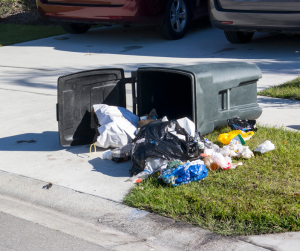
Raccoons: They can cause a great deal of damage by ripping apart insulation, knocking over ductwork, and destroying shingles or wood siding. Outdoors, they’re notorious for tipping over garbage cans and digging up lawns while foraging for grubs.
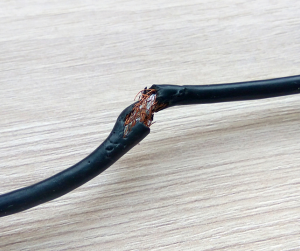
Squirrels: These rodents constantly chew to keep their teeth short. They’ll gnaw on wires, creating a serious fire hazard, and they also chew beams and shred insulation to build nests.
Droppings and Odor
Both raccoons and squirrels are skilled at getting into homes, but they do so in different ways:
Raccoons: They are strong enough to tear through soffits, vents, and even roofing shingles, and they can also climb right down chimneys. The openings they leave behind are large and easy to spot.
Squirrels: On the other hand, squirrels rely on chewing to make their way inside – you’ll want to look for gnawed edges on fascia boards, roof corners, and attic vents. The openings are usually smaller, often just big enough for their bodies to squeeze through.
Day vs Night Activity
Another difference between squirrels and raccoons is that they are active during different times of day:
Raccoons: Raccoons are primarily active at night. If you’re hearing heavy movement after dark, raccoons are likely the cause.
Squirrels: Squirrels are most active during daylight hours. Scurrying sounds in the morning or late afternoon are a strong sign of squirrels.
Visible Clues Outside the Home
Sometimes, your yard will show clear signs of whether you’re dealing with raccoons or squirrels:
Raccoons: Tipped-over trash cans, paw prints in the soil, torn-up gardens, or pieces of sod that are flipped over are all red flags.
Squirrels: Chewed tree branches, visible nests high in trees, and squirrels frequently darting along your roofline can point to a squirrel issue.
Health and Safety Concerns
Having a squirrel or raccoon problem can also create different health risks to you and your family:
Raccoons: They can carry rabies and are more likely to become aggressive if cornered. Their droppings can also contain raccoon roundworm, which is dangerous to people and pets.
Squirrels: While less aggressive, squirrels can carry fleas and mites. The biggest safety threat they pose inside homes is electrical fires caused by chewed wiring.
When to Call a Professional
Whether it’s a raccoon or a squirrel, wildlife inside your home isn’t a problem you should tackle on your own. Both animals can bite or scratch if threatened, and in New York, there are legal restrictions on trapping and relocating wildlife. Professional removal ensures that the animals are handled humanely, the entry points are sealed, and your home is protected from future invasions.
At Westchester Wildlife, our team has decades of experience safely removing raccoons, squirrels, and other nuisance wildlife across Westchester, Putnam, and Dutchess Counties. We specialize in humane removal methods and prevention strategies that keep your home secure year-round.
Best Wildlife Trapping and Removal in Westchester, NY
Raccoons and squirrels may seem similar when they invade your home, but the signs of their presence are very different. From the noises you hear to the damage they leave behind, recognizing the difference can save you time, money, and stress. If you suspect a raccoon or squirrel problem, contact Westchester Wildlife for fast, professional, and humane wildlife removal services in New York and Connecticut. Call us today at (800) 273-6673 or submit our contact form to schedule an inspection and protect your home!