

 How Do Squirrels Prepare For Winter?
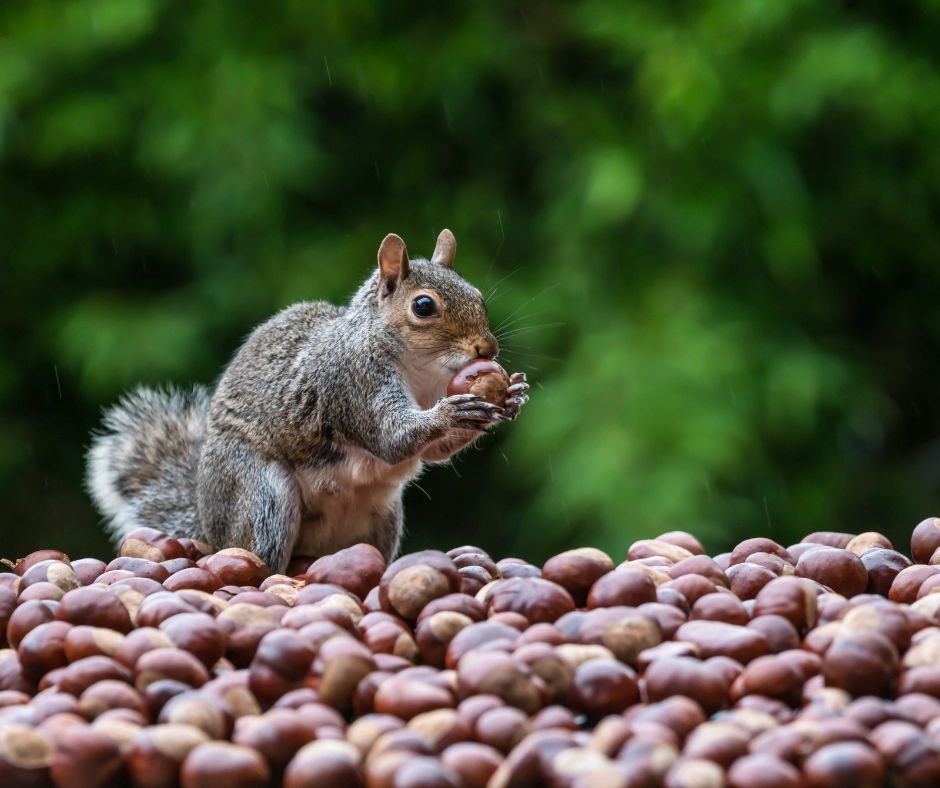
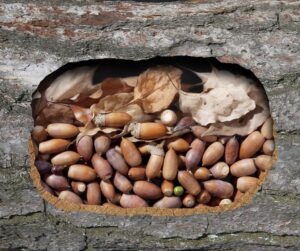 While squirrels will eat pretty much anything edible, they prioritize nuts and seeds above all else, as these can be stored inside their food caches for later use. Nuts and seeds can be eaten during the cold, dead, winter months, when food like plant roots, bird eggs, and insects are scarce. Squirrels store their food in caches, either in a scatter system or a larder system. Scatter systems involve squirrels digging numerous shallow pits, with a few nuts or seeds placed in each, and then over the winter months, digging them back up and eating them. Larder systems involve squirrels storing massive amounts of nuts and seeds in one location, like a tree cavity. If a squirrel has gotten comfortable enough in your attic, they might store these larder caches inside your attic space or even your wall voids. Discovering a large amount of nuts and seeds stored somewhere in your home is a surefire sign that squirrels are nesting on your property.
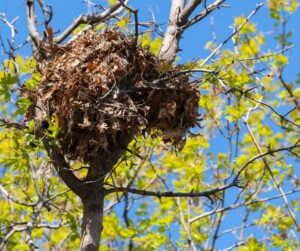 Squirrels stay active throughout the winter, continuing to dig up their food caches from the fall and search for any scarce food that they can find. However, during especially cold or snowy days, squirrels will stay inside their nests, sleeping and lowering their metabolism to conserve heat and energy. There are two main types of squirrel nests: dreys and cavity nests. Squirrel dreys are the large, scraggly clumps of dead leaves and twigs that you will see high up in large trees. Dreys are usually about 20 feet up, preferably in a tree that bears nuts, and located at the fork of two strong branches. While they look sharp and uncomfortable on the outside, the inside is usually made of soft moss or pine needles. Cavity nests are built inside a hollow tree or attic space, lined with leaves, moss, pine needles, straw, and more. Cavity nests provide squirrels with greater protection from harsh weather, heavy precipitation, and predators. Your home’s attic space provides the perfect spot for cavity nests, as the heat from your home and your soft, fluffy attic insulation provide them with a comfortable place to raise their young.
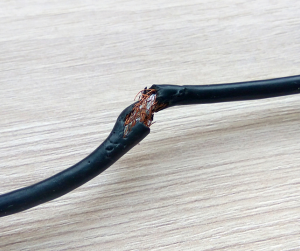
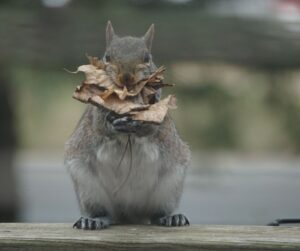 If squirrels have decided to pick your attic space as their winter home, contact the experts at Westchester Wildlife for the best squirrel trapping and removal services in Westchester County, NY. As the cooler weather of fall begins to set in, squirrels will feast on any food they can find to pack on fat, and they will start storing nuts and seeds around their territory in caches to revisit later, when food is scarce. Squirrels will nest inside tree branches, tree cavities, or, most preferably, your attic space, where they will rip up and soil your insulation. Squirrels are rodents, meaning they have prominent front teeth that never stop growing. In order to keep the length of their teeth manageable, they will gnaw on anything they can find. In your attic space, that can include wooden beams and the rubber covering around wires, which can react with the insulation and any outside nesting material and cause a house fire.
If you have squirrels inside your home, don’t panic. Our team of licensed wildlife control operators can safely trap and remove all the squirrels that have gotten inside your home. Afterward, we will repair the damage they created while getting inside, sealing off their entry points and preventing them from returning. Contact Westchester Wildlife today to get started with a FREE estimate at (914) 760-5713!
 Do Chipmunks Hibernate In Winter?
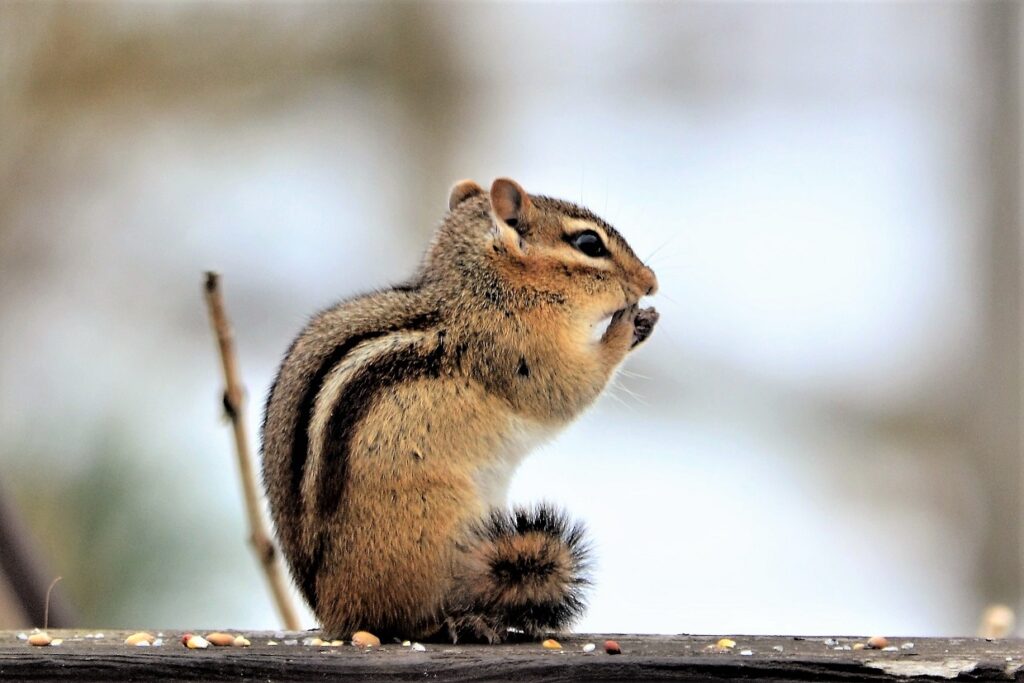
Whenever there is cold weather, chipmunks spend most of their time hibernating and simply sleeping or resting in their dens. They are known to be quite occupied, and just one of them will quickly gather up to 165 acorns per day.
In as little as two days, the chipmunk will have managed to collect enough food to take them through the whole winter season. However, they are also known to store up more food than is necessary, so they will typically have collected more than they need for the cold months.
Even though they are known to hibernate during the winter, chipmunks will not be asleep for the entire season as most other hibernators do. They will typically retreat back to their burrows. Occasionally, they wake up to bring their body temperature back to normal.
When they are on these awake breaks, the chipmunks will feed on the food stored over time to build up their fat reserves. This is very important for the cold season aa it allows them to stay protected from the cold. Every few days, the chipmunk wakes up for temperature adjustment, has a few more nuts, and quietly goes back to sleep for some more days.
What Months Do Chipmunks Hibernate?
The typical period for chipmunk hibernation lies between October and the middle of March. This is usually when the weather outside is harsh and the temperatures have dropped to deficient levels.
The chipmunks in the southern parts of the US have better weather, as it is much warmer in these places. As such, they will hibernate for a shorter amount of time, between December and late January. Their bodies also undergo essential changes that enable them to survive the winter.
These are all important as they ensure that the chipmunk can survive the harsh, cold months and get them through safely and as intact as possible. The months of hibernation are generally uneventful, and not many things happen during that time for chipmunks.
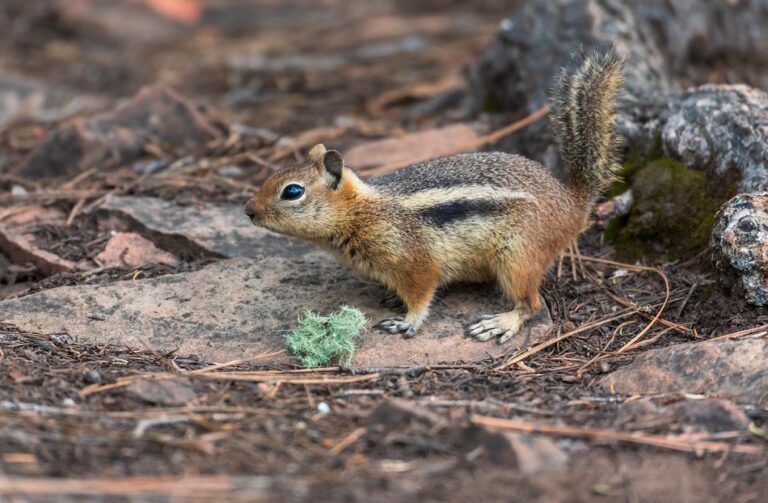
At What Temperature Do Chipmunks Hibernate?
At around 40°F is when the chipmunk starts to hibernate. Once it has gotten cold enough, it will retreat to its burrow to spend the winter.
Other things also happen when the chipmunk is undergoing the hibernation process. These enable them to spend as little energy as possible, and as such, they will easily manage to get through the winter with much ease. For instance, their body temperature will start to lower to match them with their surroundings. As such, they will not lose heat quickly, allowing them to maintain a constant temperature for the rest of the winter.
They will also slow their heart rate down from the usual 350 beats per minute to a mere four beats per minute. This is several magnitudes slower and indicates the changes the chipmunk has to undergo to stay safe and warm for the winter. When their hearts are beating this slow, they can sleep out the rest of the winter and get the rest they have worked so hard for.
Where Do Chipmunks Sleep In The Winter?
The most excellent chipmunk preference is to live alone in an underground hole or burrow, referred to as a den. They like to hibernate when the weather is cold, and this is where they will spend most of their time, staying insulated from the harsh cold temperatures outside.
They are usually relaxed when in hibernation, and most of their body functions are significantly slower to enable them to get through the cold winters. Most of the time a chipmunk spends in hibernation goes to sleep while a portion is reserved for feeding, urinating, and defecating.
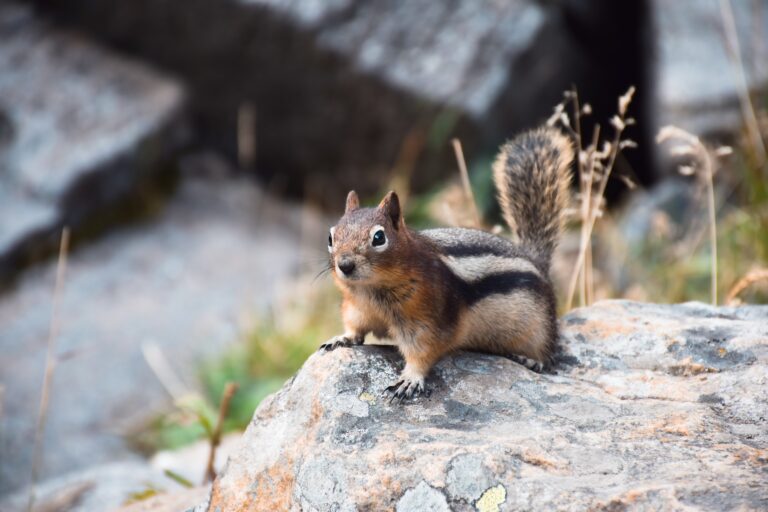
What Do Chipmunks Eat When They Hibernate?
Inside a chipmunk’s den is enough storage space for their nuts and seeds. These nuts and seeds are essential as they are a food source for the chipmunk that lasts through the entire winter. They love to eat and will wake up occasionally to get fed and get the break they need from the enormous amount of rest they have had.
Chipmunks usually gather enough nuts and seeds to eat throughout the winter, which is what the rest of the year is meant for. They are very hardworking creatures and, as such, will work through all kinds of challenges to get the much-needed supplies in storage and ready for the cold winter months.
Our experts are trained to remove all types of nuisance wildlife, including chipmunks. We provide effective trapping and removal services in Westchester County, Dutchess County, Putnam County, NY, and Fairfield County, CT. So if you’re having chipmunk issues on your property at any time of the year, call Westchester Wildlife to get rid of them!
FLYING SQUIRRELS IN YOUR HOME:
The Northern Flying squirrels will often find small openings in the corners of dormers on the home around the gutter line where drip edge may be missing. Also, in a rotted soffit area or just simply use an entrance created by a woodpecker or other animal.
Read moreThe North American Red Squirrel can also be referred to as pine squirrels and chickarees. Red Squirrels differ from other North American tree squirrels in that they are smaller in size and have reddish fur with a white belly. They are actually not much bigger than chipmunks.
Read more