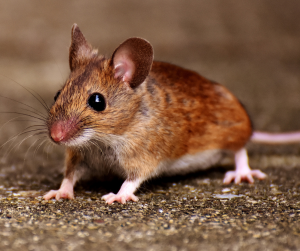
When winter arrives in Westchester County, mice begin searching for warm, sheltered places to spend the colder months. As temperatures drop, homes in the area naturally become more attractive to rodents looking for food, heat, and quiet spaces to nest. This shift in weather often leads to more mouse activity around foundations, attics, and other hidden spots. The good news is that a few simple and proactive steps can make your home much harder for mice to enter and much less appealing as a winter hideout. Taking action early helps you stay ahead of the problem and protect your home throughout the season.
If you suspect you have a mouse problem, contact the mice control professionalsat Westchester Wildlife today by calling 800-273-6673 or filling out our contact form to get started with an inspection in Westchester, Putnam, and Dutchess Counties.
#1: Seal Every Gap
Mice can slip through holes as small as a dime, so sealing even tiny openings is one of the best ways to keep them out. You can start by checking the exterior of your home and then move indoors:
Doors and windows: Replace old weatherstripping and tighten frames so mice can’t enter through small spaces.
Utility openings: Seal areas where pipes, cables, and gas lines enter so rodents can’t follow these paths indoors.
Siding and trim: Repair cracks or loose sections so mice have fewer opportunities to sneak in during colder months.
#2: Protect Attics & Basements
Attics and basements are warm, quiet, and full of materials mice love, making them top targets during winter in Westchester. A few simple steps can help protect these areas:
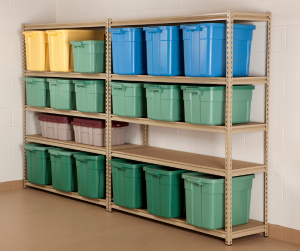
Sealed storage bins: Keep items stored in sturdy plastic bins so mice can’t access soft materials inside.
Better insulation: Replace damaged insulation so it stops heat loss and doesn’t provide easy nesting spots.
Moisture reduction: Improve airflow or use dehumidifiers so the area stays dry and less appealing to rodents.
#3: Store Food the Right Way
Even a small amount of food can attract mice quickly – keeping your kitchen clean and food sealed makes your home far less appealing. Here are a few ways to store food properly so your home is less attractive to rodents:
Daily cleanup: Wipe counters and sweep floors to remove any food or crumbs that can draw mice into your kitchen.
Secure trash: Use trash cans with tight lids and empty them regularly so smells do not attract rodents.
Sealed containers: Use sturdy plastic or glass containers so mice cannot chew through food packaging.
#4: Strengthen Crawl Spaces & Foundations
Crawl spaces and foundations are common entry points in Westchester, especially in older homes. Mice love dark, quiet areas that allow them to move around unseen. There are a few ways you can help block their entry:
Foundation repairs: Seal cracks so mice cannot slip through tiny openings in the structure.
Secured covers: Install tight-fitting crawl space doors and vent screens to block wildlife access.
Moisture improvements: Reduce dampness with proper drainage or vapor barriers so rodents are less likely to nest there.
#5: Cut Back on Clutter
Indoor or outdoor clutter can provide easy hiding spots for rodents, so reducing clutter makes your property far less appealing to mice during winter. You can implement a few simple changes to reduce the chance of mice moving into your home:
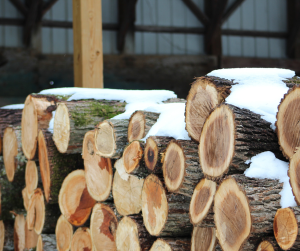
Firewood distance: Keep woodpiles several feet away from your home so mice can’t nest near entry points.
Yard cleanup: Remove leaves and debris so rodents have fewer hiding places around your property.
Garage organization: Store tools and boxes neatly so mice can’t hide behind or inside cluttered piles.
Indoor tidiness: Keep floors, closets, and storage areas clear of loose bags, piles of clothing, cardboard boxes, or stacked papers so mice can’t use them as hidden pathways or nesting spots.
Best Mice Removal & Exclusion Services in Westchester, NY
Even with good prevention habits, winter mouse problems can still happen – especially in busy neighborhoods across Westchester County. At Westchester Wildlife, our experienced rodent control professionals offer detailed inspections to find where mice are getting in, remove the rodents safely, and install durable exclusion barriers designed to keep them out for good. We understand Westchester’s home styles and common rodent entry points, helping us deliver long-term solutions that truly work. Our specialists also explain every finding in clear, simple terms so you know exactly what’s happening in your home. We focus on solving the problem at its source, giving you lasting peace of mind and helping prevent future infestations.
If mice are already sneaking inside your home, or if you just want a professional inspection before winter to prevent mice from moving in, the mice removal and exclusion team at Westchester Wildlife is ready to help. Call us today at 800-273-6673 or complete our contact form to get started with an inspection in Westchester, Putnam, and Dutchess Counties!
Birds in your attic or vents might seem like a small annoyance at first, but what starts as a noise issue can quickly turn into a much bigger, more serious problem. Birds can bring hidden dangers to your home, your family’s health, and even your overall safety. Because dealing with birds in your attic can be more complicated than it seems, it’s safest to leave the job to trained professionals who know how to handle the problem quickly and protect your home.
If you think you have birds in your attic, contact Westchester Wildlife for expert bird removal services today at 800-273-6673 or fill out our contact form, to get started with an inspection in Westchester, Putnam, and Dutchess Counties.
More Than Just A Nuisance
When birds settle into your attic, the flapping, fluttering, and constant chirping can be frustrating, but the bigger concern is the serious risks they can bring with them to your health, safety and home.
Health risks: Their droppings and nesting materials can spread mites, parasitesand bacteria that can create health risks for your family.
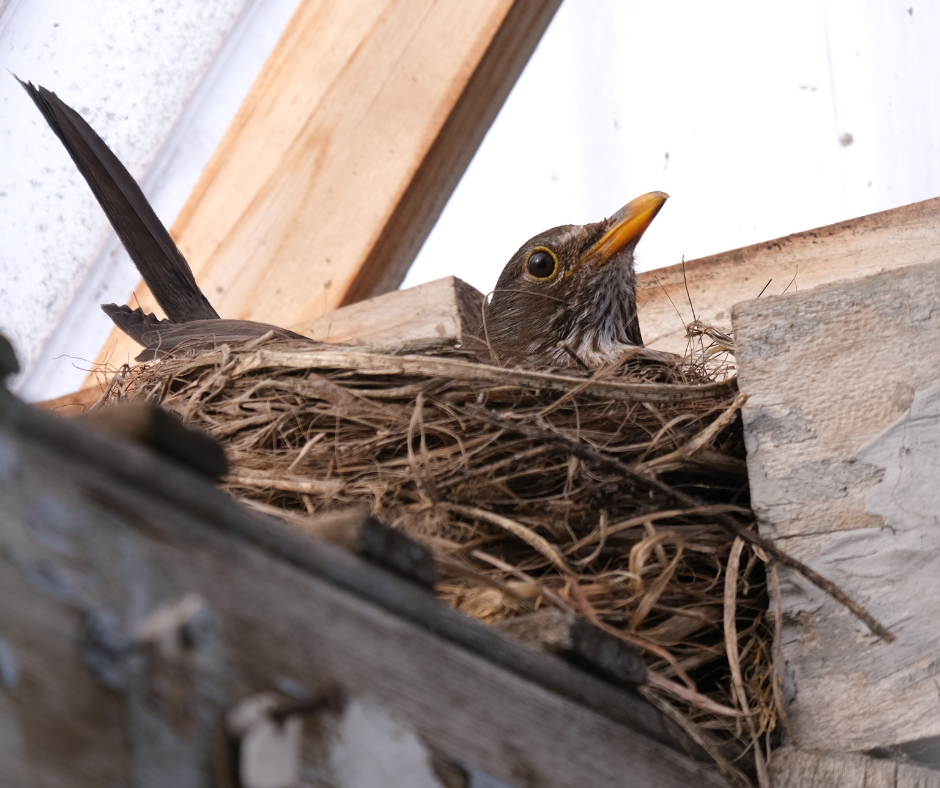
Fire hazards: Birds often enter through chimneys or small gaps in soffits, eaves, and rooflines, and once inside, they build nests with dry, flammable materials like straw, twigs, leaves, and dead grass, creating a real fire hazard.
Property damage: The droppings they leave throughout the attic can also lead to stains, strong odors, and even damage to your insulation over time.
Health Risks from Birds in Your Attic
Birds nesting in your attic can create several health risks for your family, especially when their droppings and nesting materials start to build up.
Risk of Histoplasmosis: Bird droppings can carry spores that may lead to the fungal lung infection histoplasmosis, and once dried droppings are disturbed, those spores can become airborne.
Triggering allergies and asthma: Dried bird droppings can also trigger and worsen allergies and asthma.
Spreading pests: Birds can bring a host of secondary pests with them, including bird mites, fleas, and ticks that they can spread to the rest of your home.
Fire Hazards from Bird Nests
Bird nests can create several hidden fire risks throughout your home, especially when they end up in common entry points like your attic.
Attic: Birds often build nests in your attic near wiring, where dry debris can catch fire if the wires spark – and this danger grows even more if rodents like mice,rats or squirrels are also present, since they can chew through the wires and create exposed, risky spots.
Chimney: Nests in your chimney are also dangerous because the dry materials can ignite as soon as you use your fireplace.
Dryer Vents: In addition, birds also like to nest inside dryer vents, which can block airflow, causing heat to build up and increasing the risk of a fire.
Long-Term Damage to Your Home
Birds can cause more than just short-term problems – they can leave behind long-lasting damage that affects your home’s structure, comfort, and overall safety.
Contaminated insulation: Bird droppings can soak into your attic insulation, often requiring sections to be removed and replaced.
Lingering stains and odors: Without proper cleaning and deodorizing, stains and strong smells from droppings and nesting materials can persist for months or even longer.
Damage to building materials: The acidic nature of bird droppings can corrode wooden beams, shingles, and other structural elements, leading to repairs or replacements much sooner than expected.
Professional Bird Removal and Prevention
Because of the Migratory Bird Treaty Act, trying to remove birds on your own can be unsafe and illegal. That’s why it’s best to trust trained professionals like the team at Westchester Wildlife for bird removal. Our expert technicians provide humane bird removal along with high-quality exclusion services to keep birds from coming back. This includes installing chimney caps and vent guards, and sealing any openings in the soffit or roofline that birds may use to get inside.
Best Bird Removal in Westchester County
Birds nesting in your attic or vents may seem like a small issue at first, but they can quickly bring serious health risks, fire hazards, and damage to your home. What starts as a little noise or mess can turn into costly repairs if it’s not handled early. If you think you might have birds nesting inside your attic space in Westchester, Putnam, or Dutchess County, contact the experts at Westchester Wildlife today at 800-273-6673 or fill out our contact form to get started with an inspection!